Source semi-dull brocade fabric for bags, curtains, and garments
Compare 30 listings of semi-dull brocade fabric with varying weights, widths, and patterns. Buyers can evaluate specifications for applications in bags, curtains, and garments while reviewing supplier details and pricing options.
Key considerations
Products List


Classic Flower Brocade Fabric Damask Jacquard Garments Thick Clothes Curtain
$0.65 - $1.05
MOQ: 1000 Meters


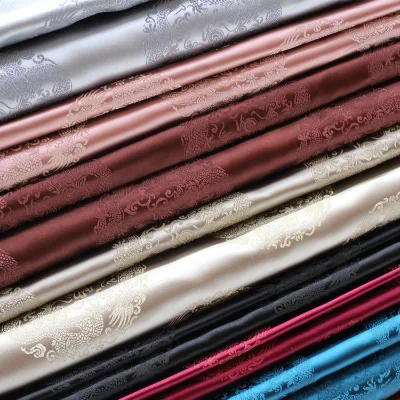
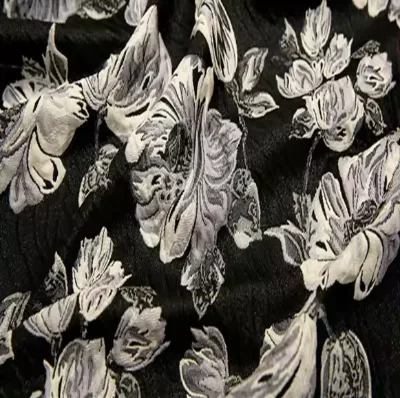
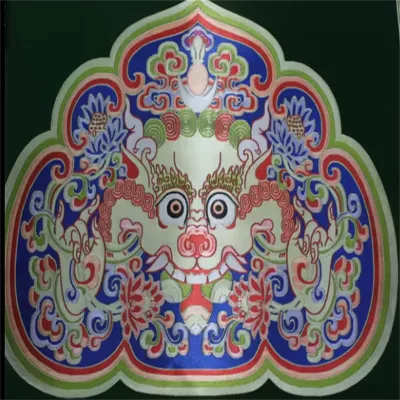


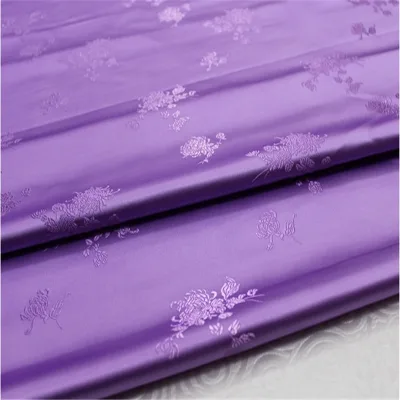
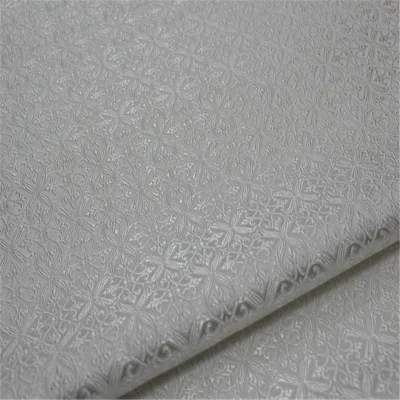
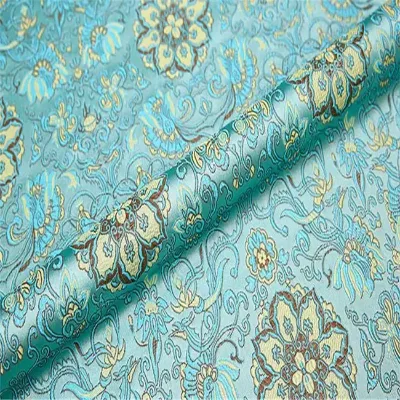
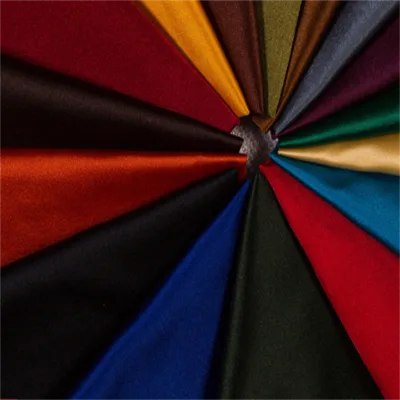
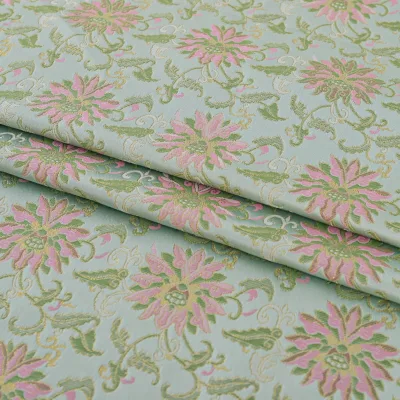
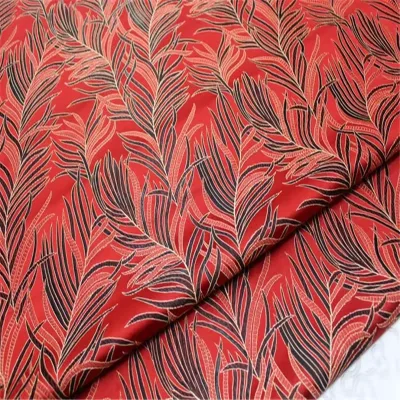


China Factory Polyester Metallic Jacquard Brocade Fabric Evening Wear Fabric
$3.50 - $4.50
MOQ: 50 Meters


Comprehensive Sourcing Guide
Strategic Sourcing Guide for Semi-Dull Brocade Fabric
Understanding Product Specifications and Technical Attributes
When sourcing semi-dull brocade fabric, buyers must first establish a clear understanding of the technical specifications that define the material's physical and aesthetic properties. The term "semi-dull" typically refers to a specific finish that balances light reflection, offering a sophisticated look that is neither fully matte nor highly glossy. In the context of available market data, brocade fabrics are frequently characterized by their complex weaving structures and distinct surface textures. The observed product attributes indicate that these materials are often produced using a "Jacquard" style, which allows for intricate patterns to be woven directly into the fabric rather than printed on top. This distinction is critical for buyers seeking authentic brocade, as it ensures the pattern is integral to the fabric's structure, enhancing durability and tactile quality.
The technical composition of these fabrics varies, with a significant portion of the observed inventory being 100% Polyester. This synthetic base offers specific advantages, including high tensile strength, resistance to shrinking, and ease of care. However, buyers should also verify the yarn count, as this metric directly influences the fabric's density and hand feel. Data points suggest yarn counts ranging from 67.5 to 90, with some entries specifying a count of 70. A higher yarn count generally correlates with a finer, smoother fabric, while lower counts may result in a more robust, textured material suitable for heavy-duty applications. Furthermore, the density of the weave, observed at values such as 60, plays a pivotal role in determining the fabric's opacity and structural integrity.
Weight is another fundamental specification that dictates the fabric's suitability for different end-uses. The market data presents a range of weights, with specific instances noted at 200 GSM and 263 GSM. These classifications place the fabric in the "Medium Weight" category, making it versatile for a wide array of applications from apparel to home textiles. Buyers must ensure that the weight specification aligns with the intended use; for instance, a 200 GSM fabric might be ideal for summer garments or lightweight upholstery, whereas a 263 GSM variant would be better suited for winter wear, heavy drapery, or automotive interiors. Additionally, the width of the fabric is a crucial logistical factor. Observed widths include 70cm (27"), 75cm (30"), and 145cm (57"). The selection of width will directly impact material yield and cutting efficiency, with wider fabrics often reducing seam allowances in large-scale production.
Compliance, Certification, and Material Standards
Navigating the compliance landscape for semi-dull brocade fabric requires a rigorous approach to verifying material standards and certifications. While the supplied data indicates that some products carry a certification status listed as "Other," this is a broad category that necessitates immediate clarification from the supplier. Buyers should not assume that a fabric labeled with "Other" certifications meets specific international safety or environmental standards without explicit documentation. Instead, the procurement strategy must focus on requesting detailed test reports that confirm compliance with relevant regulations for the target market, such as REACH in Europe or CPSIA in the United States.
The material composition is a primary area for compliance verification. With a significant portion of the inventory being 100% Polyester, buyers must ensure that the polyester fibers meet specific purity and chemical safety standards. If the product claims to be "Organic" or "Eco-Friendly," as suggested by some attribute lists, the buyer must demand third-party verification, such as GOTS (Global Organic Textile Standard) or Oeko-Tex Standard 100, to validate these claims. Without such documentation, these terms remain unverified marketing assertions. Furthermore, the "Tear-Resistant" feature observed in several product entries is a performance claim that should be backed by standardized test results, such as those from ASTM or ISO, rather than relying solely on supplier descriptions.
In terms of manufacturing standards, the data mentions a standard of "40-50M/roll" for certain product lines. This specification refers to the length of fabric per roll, which is a critical logistical parameter for inventory management and production planning. Buyers must verify if this standard applies universally to their specific order or if it varies by supplier and product model. Additionally, the origin of the fabric, consistently noted as Haining, Jiaxing, Zhejiang, China, places the supply chain within a major textile hub. While this region is known for high-volume production, buyers should conduct due diligence to ensure that the manufacturing facilities adhere to labor standards and environmental regulations applicable to their brand's corporate social responsibility (CSR) policies.
Cost Drivers and Pricing Dynamics
The pricing structure for semi-dull brocade fabric is influenced by a complex interplay of material costs, production complexity, and order volume. The observed price range in the market spans from $0.65 to $13.00 per unit, a variance that reflects differences in quality, width, weight, and the level of customization required. The lower end of this spectrum likely corresponds to standard, non-customized polyester fabrics with basic patterns and standard widths. In contrast, the higher price points are typically associated with specialized jacquard weaves, custom color matching, or fabrics with added functional features like enhanced tear resistance or eco-friendly certifications.
Order Volume is a primary driver of unit cost. The Minimum Order Quantity (MOQ) ranges from 5 meters to 5,000 units, indicating a highly flexible supply chain that accommodates both small-batch prototyping and large-scale industrial production. Buyers ordering near the lower MOQ threshold should anticipate a higher per-unit cost due to the fixed setup costs associated with jacquard loom programming and dyeing processes. Conversely, orders approaching the 5,000-unit range can leverage economies of scale to significantly reduce the cost per meter. It is essential for buyers to negotiate based on their specific volume requirements, as the price per unit is rarely static across different order sizes.
Customization is another significant cost factor. The availability of customization options allows buyers to tailor the fabric to their specific brand needs, but this process incurs additional expenses. These costs may include setup fees for custom patterns, charges for specific color development, and premiums for unique packaging requirements, such as polybags combined with woven bags. The "Selling Units" being listed as "Single item" suggests that some suppliers may operate on a made-to-order basis, which can impact lead times and pricing. Buyers must balance the desire for unique, customized products against the budgetary constraints, ensuring that the added value of customization justifies the incremental cost.
Typical Applications and End-Use Versatility
Semi-dull brocade fabric exhibits remarkable versatility, making it suitable for a diverse range of applications across multiple industries. The observed usage categories are extensive, encompassing apparel, home textiles, automotive interiors, and industrial goods. In the apparel sector, the fabric is utilized for dresses, suits, trousers, and baby and kids' clothing. The "Twill" and "Plain Dyed" styles, alongside the "Jacquard" patterns, provide the aesthetic depth required for fashion-forward garments. The "Semi-dull" finish is particularly advantageous for formal wear and evening dresses, where a subtle sheen adds elegance without the excessive glare of satin or the flatness of matte cotton.
Within the home textile domain, the fabric finds application in bedding, curtains, cushions, and sofa upholstery. The weight and density of the fabric, ranging from 200 to 263 GSM, make it robust enough for high-traffic areas like sofa covers and durable enough for frequent washing in bedding applications. The "Tear-Resistant" feature is particularly valuable for upholstery and automotive use, where the fabric must withstand friction and stress. The color palette, which includes shades like Gray, Beige, Black, Green Brown, Navy, and Red, offers a wide selection to match various interior design themes. The "Traditional" style mentioned in some attributes suggests that the fabric can also be used for cultural or heritage-inspired home decor items.
Beyond traditional textiles, the fabric is also specified for use in bags, umbrellas, shoes, and toys. This indicates a high level of durability and aesthetic flexibility. For bag and shoe manufacturers, the fabric's ability to hold complex jacquard patterns while maintaining structural integrity is a key selling point. In the toy industry, the "Eco-Friendly" and "Organic" claims, if verified, make the fabric a safe choice for children's products. The "Multivessel" yarn configuration suggests a complex weaving process that can produce unique textures, adding value to products in the gift and accessory markets. The ability to serve such a broad spectrum of industries underscores the strategic value of sourcing semi-dull brocade fabric for diversified product lines.
Supplier Evaluation and Quality Control Protocols
Evaluating suppliers for semi-dull brocade fabric requires a multi-faceted approach that goes beyond simple price comparison. Buyers should prioritize suppliers who can provide transparent documentation regarding their production capabilities, specifically their ability to handle the "Multivessel" and "Jacquard" weaving processes. The presence of specific model numbers, such as "yj77729," "XY-4," and "HYBYD-BRO75200," suggests a standardized product line, but buyers must verify that the supplier can consistently reproduce these specifications. A key indicator of supplier reliability is the ability to provide samples that match the observed attributes, such as the correct yarn count, weight, and width.
Quality control protocols must be established early in the sourcing process. Given the "Tear-Resistant" and "Eco-Friendly" claims, buyers should implement a rigorous testing regime that includes physical stress tests and chemical analysis. The "Single package size" of 22x22x1 cm and "Single gross weight" of 0.3 kg provide baseline data for logistics planning, but these figures should be verified against actual production runs to ensure consistency. Buyers should also assess the supplier's inventory management capabilities, particularly regarding the "In-Stock Items" status. While immediate availability is advantageous, it is crucial to confirm that the stock meets current quality standards and has not degraded over time.
Communication and responsiveness are also critical factors in supplier evaluation. The "Customization: Available" attribute implies a need for close collaboration between the buyer and the supplier to achieve the desired outcome. Buyers should look for suppliers who are willing to engage in detailed discussions regarding pattern design, color matching, and technical specifications. The "Place of Origin" being consistently listed as China indicates a centralized supply chain, but buyers should verify the specific factory location and audit their facilities to ensure compliance with labor and environmental standards. A supplier's willingness to share audit reports and production timelines is a strong indicator of their commitment to quality and transparency.
Long-Term Procurement Considerations and Strategic Planning
Sourcing semi-dull brocade fabric is not merely a transactional activity but a strategic decision that impacts long-term supply chain resilience. Buyers should consider the scalability of their supplier relationships, ensuring that the chosen partners can accommodate growth and fluctuating demand. The wide range of MOQs, from 5 meters to 5,000 units, offers flexibility, but buyers must plan for potential supply chain disruptions. Diversifying the supplier base can mitigate risks associated with single-source dependencies, especially given the concentration of production in the Haining, Jiaxing, Zhejiang region.
Sustainability is becoming an increasingly critical factor in long-term procurement strategies. With the observed attributes of "Organic" and "Eco-Friendly," buyers should develop a clear sustainability roadmap that includes verifying these claims through recognized certifications. This involves not only sourcing materials but also ensuring that the entire supply chain, from raw material sourcing to final product delivery, aligns with environmental goals. The "Tear-Resistant" feature also contributes to sustainability by extending the lifespan of the final product, reducing waste and the need for frequent replacement.
Finally, buyers must remain agile in response to market trends. The diverse applications of semi-dull brocade fabric, from automotive interiors to high-fashion apparel, mean that demand can shift rapidly. Maintaining strong relationships with suppliers who offer customization and have a broad range of specifications will enable buyers to pivot quickly and capitalize on emerging opportunities. By focusing on technical precision, compliance, and strategic partnership, buyers can secure a reliable supply of high-quality semi-dull brocade fabric that meets both current needs and future challenges.
Comparative Analysis of Fabric Attributes
To facilitate informed decision-making, the following table summarizes key attributes observed in the market for semi-dull brocade fabric. This comparison highlights the variability in specifications and helps buyers identify the most suitable options for their specific requirements.
| Attribute Category | Specific Observation | Variance/Range | Strategic Implication |
|---|---|---|---|
| Material Composition | 100% Polyester | High prevalence | Offers durability and ease of care; verify chemical safety. |
| Weave Style | Jacquard, Twill, Plain | Multiple styles | Determines pattern complexity and aesthetic finish. |
| Weight | 200 GSM, 263 GSM | Medium Weight | Affects drape and suitability for apparel vs. upholstery. |
| Width | 70cm, 75cm, 145cm | 27" to 57" | Impacts cutting efficiency and seam allowance planning. |
| Yarn Count | 67.5, 70, 90 | Variable | Higher counts indicate finer texture; verify for hand feel. |
| Certification | "Other" (Unspecified) | Needs Verification | Requires specific test reports for safety and environmental claims. |
| MOQ | 5 Meters to 5,000 Units | High Flexibility | Allows for prototyping or large-scale production scaling. |
| Origin | Haining, Zhejiang, China | Consistent Region | Major textile hub; verify factory audits for compliance. |
| Features | Tear-Resistant, Eco-Friendly | Claimed | Demand third-party testing to validate performance claims. |
This comparative analysis underscores the importance of detailed specification review. Buyers should use this data as a baseline for negotiation and quality assurance, ensuring that the final product aligns with their technical and commercial requirements. By systematically evaluating these attributes, buyers can mitigate risks and secure a supply chain that delivers consistent quality and value.
FAQs
What are the typical material compositions for semi-dull brocade fabric?
Most semi-dull brocade fabrics are composed of 100% Polyester, offering high tensile strength and shrinkage resistance. Buyers should verify yarn counts ranging from 67.5 to 90 to ensure the desired density and hand feel for their specific applications.
How does the weight of semi-dull brocade fabric affect its usage?
Weights typically range from 200 GSM to 263 GSM, classifying them as medium weight suitable for diverse applications. Lighter variants suit summer garments, while heavier options are better for upholstery, drapery, or automotive interiors requiring durability.
Which certifications should buyers verify for eco-friendly brocade claims?
Products often list certifications as Other, requiring explicit documentation for claims like Organic or Eco-Friendly. Buyers must request third-party verification such as GOTS or Oeko-Tex Standard 100 to validate environmental safety standards before procurement.
Can buyers customize semi-dull brocade fabric for specific orders?
Customization is available for patterns, colors, and packaging requirements like polybags or woven bags. However, custom orders may incur setup fees and longer lead times compared to standard in-stock items with fixed specifications.
What are the standard width and roll length specifications for this fabric?
Standard widths observed include 70cm, 75cm, and 145cm, impacting material yield and cutting efficiency. Roll lengths are commonly standardized at 40-50 meters, which is critical for inventory planning and production scheduling.
How does the minimum order quantity impact the unit price?
MOQs range from 5 meters to 5000 units, significantly influencing the cost per unit. Lower quantities near the 5-meter threshold often carry higher per-unit costs due to setup fees, while larger volumes leverage economies of scale.
Where are semi-dull brocade fabrics typically manufactured?
The primary origin is Haining, Jiaxing, Zhejiang, China, a major textile hub known for high-volume production. Buyers should verify that local manufacturing facilities adhere to labor and environmental regulations applicable to their corporate policies.